There is a moment that happens when a woman puts on a great pair of Afrocentric earrings. Not costume jewelry. Not a trend. A real piece, hand-beaded and made with intention, from a place with a name and a story. Her posture shifts. Her chin lifts a little. The ordinary outfit she got dressed in suddenly tells a story.
That is the magic of a real statement piece, and it is exactly why African earrings have become the most asked-about category at The Afropolitan Shop. Whether you are buying your first pair or have been collecting for years, this guide covers what makes Afrocentric earrings different, how to choose them, and how to style them so they feel like you.
What makes earrings "Afrocentric"
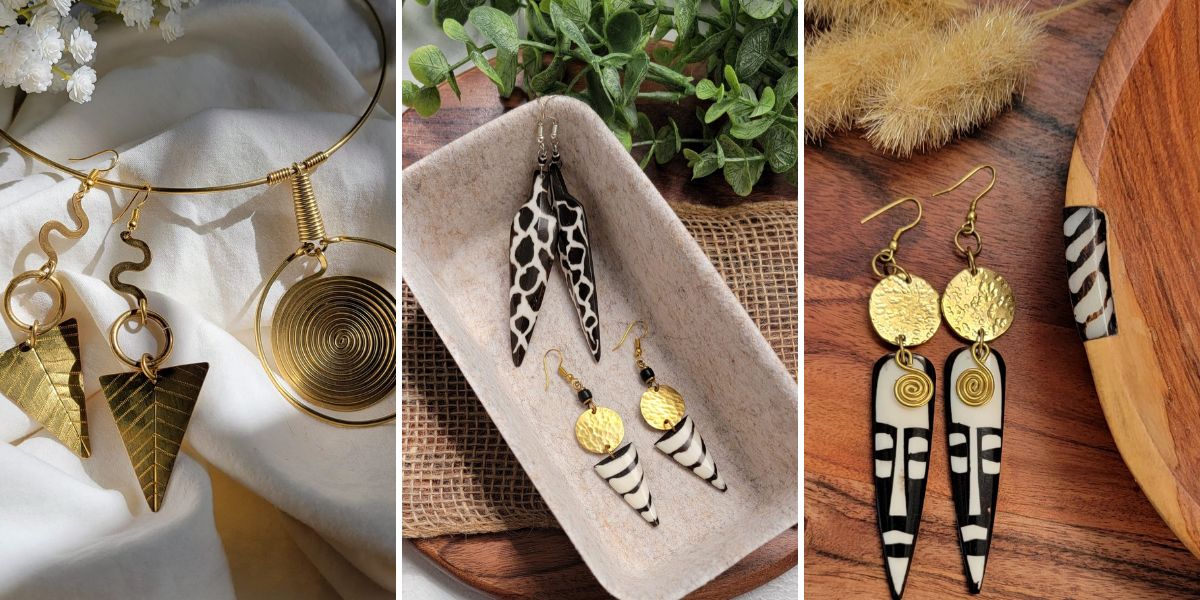
The word gets used loosely online, so here is how we use it at TAS. Afrocentric earrings are designs rooted in African aesthetic traditions, made by African artisans, using materials and techniques connected to those traditions: Maasai beadwork, brass and bone, hand-cut leather, ankole horn, sisal weave, carved wood, and the bright, layered color stories you see across East African design.
What separates them from African-inspired, mass-produced pieces is everything. They are not designed by a trend committee overseas and manufactured in bulk. They come from hands that know the craft, from communities where the techniques have been passed down, using materials sourced close to home.
Why Kenya, specifically
Kenya sits at an extraordinary intersection of beadwork traditions. The Maasai, the Kikuyu, the Luo, the Kamba: each community brings its own visual language to jewelry. Historically, the colors, patterns, and materials in beaded pieces communicated status, age, marital standing, and community. When you wear Kenyan earrings today, you are wearing a compressed history.
Our Kenyan earrings are made by artisans we have worked with for over a decade. Names like Zepher, Faith, Jack, Alex, and Philip, who live and work in and around Kisumu. Every pair you order is made by their hands, not by a machine and not by an anonymous factory. A piece like the Tanei Beaded African Earrings, which Beyoncé has worn, uses the same Maasai beading technique passed down through generations.
The core styles
Not all Afrocentric earrings work the same way in an outfit. Here is how to think about the main categories.
Beaded drops and dangles
The workhorses of any collection: long, layered, and made for movement. They work with a bun, a natural blowout, locs, or braids, anything that keeps the neck visible. The Kajiado Beaded African Earring and the Tanei Beaded African Earrings are strong starting points if you want to see Kenyan beadwork at its best.

Africa-shaped earrings
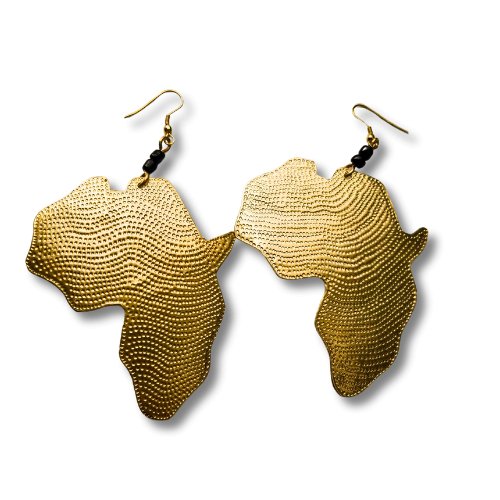
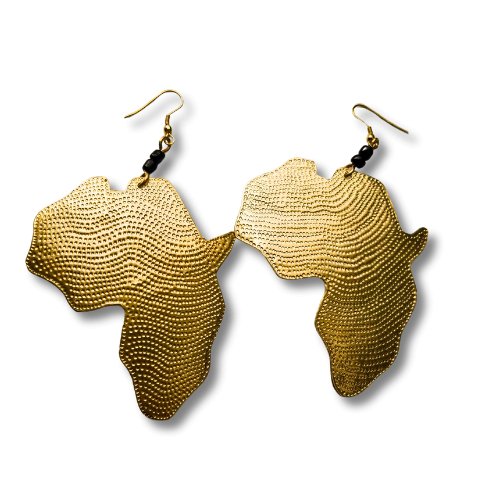
A continent silhouette as jewelry never stops being relevant: subtle enough for the office, meaningful enough to start a conversation. The Maridadi Africa Map Earrings bring brass and beadwork together in one piece.

Sisal and natural fiber
Sisal weaving runs deep across East Africa, and it makes earrings that are lightweight, textural, and one of a kind. The Rwandan African Sisal Earrings are a consistent favorite. They come in solid colors from lemon yellow to violet indigo to chocolate brown, so you can match one to your most-worn blazer.

Wood and carved pieces
For presence without weight, carved pieces deliver. The Nzete African Earrings read as art.

Statement drops with character
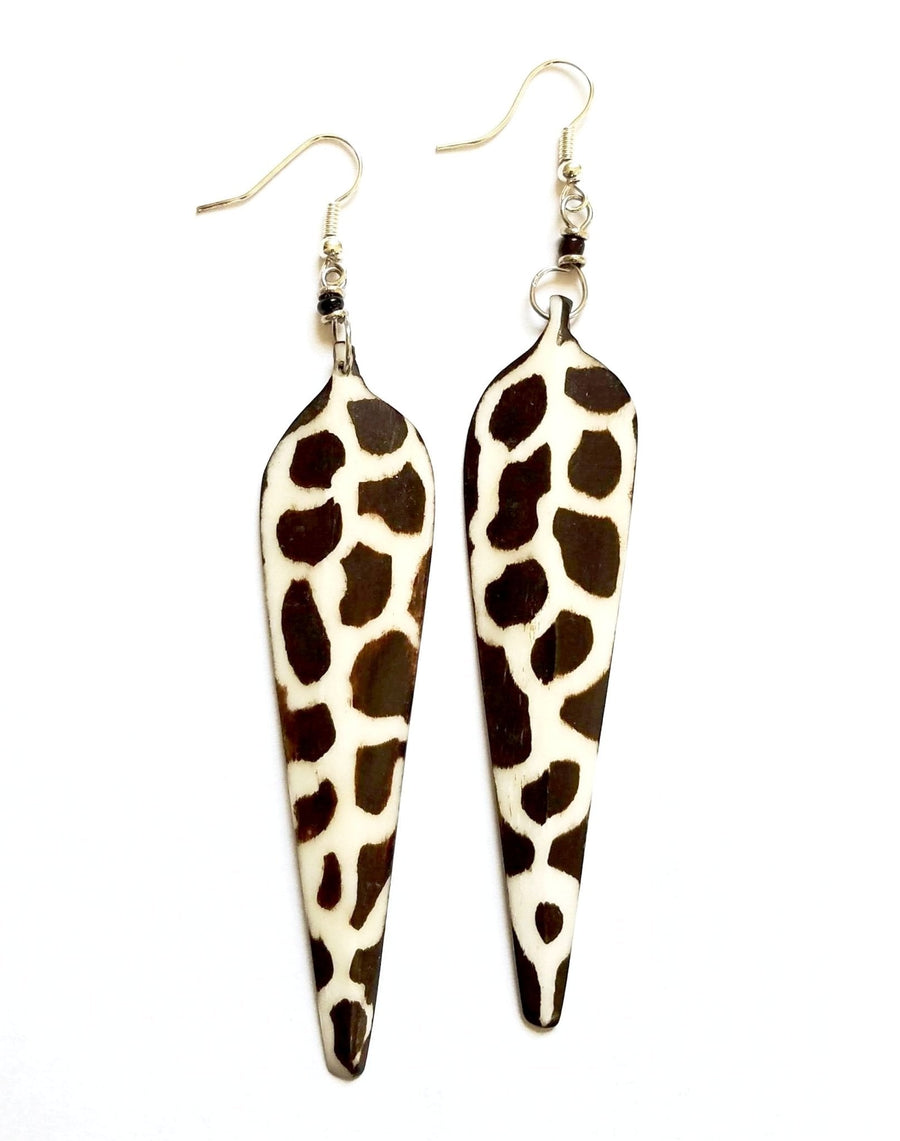
Sometimes the point is the conversation. The Little Giraffes African Earrings and the Ndege African Earrings are distinctly East African in their imagery and impossible to ignore.

Choosing your first statement pair
Three questions to ask yourself before you pick:
- What is your hair situation? If you wear your hair up or short, almost any size works. If you wear it long and down, a bigger statement earring stands out when it has room to breathe against your shoulders or collarbones.
- What is your wardrobe like? If your closet is mostly neutrals (black, white, cream, denim), bright Maasai-beaded earrings will be your best friend because they do the color work for you. If your closet is already full of prints and color, look at brass, bone, or single-color beadwork that adds texture without competing.
- What are your ears like? Heavier statement earrings need a healthy piercing and a comfortable fit. Most of our designs use lightweight materials so you can wear them all day, but if you have sensitive ears, start with a smaller beaded style like the Kajiado and work up.
How to style them by occasion
- The workday. Keep it architectural. A small to medium beaded piece in a neutral or solid tone (ivory, amber, black) reads as polished and still tells a story. One focal point: if the earrings are the statement, the rest of the look can be quiet.
- Brunch and weekends. Sisal, wood, and lighter beaded pieces feel natural here. Pick a medium drop in a color that echoes something you're wearing: a red bead with red lipstick, a yellow bead with gold jewelry.
- Date night. This is when you go big. A long statement drop in monochrome (all black, all brass, all white beadwork) is striking against bare shoulders or a deep neckline. The Moyo Heart Earrings, a hand-embossed brass heart in gold or silver, are perfect when you want the jewelry to be the message. You don't need a necklace.
- Weddings and celebrations. Match the metals you're already wearing. If your shoes have gold, choose brass elements like the Maridadi Africa Map Earrings. For events where culture is being celebrated, bring out the full beaded drops and layered pieces. Dress for the room and the moment.
- Travel. This is where Afrocentric earrings earn their keep. One outfit, two earring changes, three different looks. Pack a small beaded pair, a medium drop, and one big statement piece.
Building your collection
Starting from zero? Begin with one pair of beaded drops in a neutral colorway that works for both professional and casual looks. Add one pair of Africa-shaped earrings. Then one wildcard: a piece with color, movement, or imagery that feels specific to you. Three pairs is a collection. From there, you build by feel.
Care tips so they last for years
Handmade Kenyan earrings are durable, but a little care goes a long way. Keep them out of water; leather and bone don't love it. Store them flat in a small pouch so the beadwork doesn't tangle with other jewelry. Wipe brass with a soft cloth if it dulls, and skip harsh polishes, which strip the patina the artisans worked to build.
Why the price matters
You will sometimes see Afrocentric-looking earrings online for five or six dollars. Those are mass-produced in factories overseas, often with no connection to the cultures they borrow from. When you buy from TAS, you are paying for the hands that strung every bead, the artisan families those wages support, and the fair-trade relationships we have spent fifteen years building. That money doesn't pass through a dozen middlemen. It goes to artisans who are building businesses and keeping traditions alive.
A great pair of TAS earrings will live in your jewelry box for years, get compliments every time you wear them, and carry a real story. That is what you are buying.
Ready to start your collection?
Browse the full African earrings collection to see this season's pieces. Want a guided pick? Send us a note through our contact form and we'll help you choose based on your style.
Love, Africa